When I think about what led me to artificial intelligence, I think about music. I think about Hank Williams explaining an idea to me, and about the first ClickRadio prototype I saw at the new office in New York. On the screen were music channels, artwork, and buttons that let a listener respond: thumbs up, thumbs down, skip.
That interaction stayed with me. You listened to something, made a choice, and the system could use that choice to influence what came next. Over time, as Hank explained it and as I understood it, the service would learn more about your musical taste.
Today, when I interact with conversational AI, I recognize something in that earlier experience. The technologies have different capabilities, and I am not saying they operate in the same way. I am describing the connection that formed in my mind: software could respond to a person and become more useful through interaction.
My interest reaches further back. As a child, I loved science. I watched imagined futures on television: The Jetsons, Dick Tracy, devices that let people communicate in ways that seemed far ahead of everyday life. Those pictures gave me things to wonder about. How would that work? Who would build it? What could somebody do with it?
Meeting Hank gave those questions a different kind of weight. Here was a Black man doing technology, explaining his concept, pursuing it, and bringing people into it. I could see someone building the sort of thing other people might only talk about. That mattered to me.
My experience with ClickRadio also brought me into questions about business and control. An idea needs people, resources, and agreements to reach an audience. What happens when the founder no longer controls the company? What happens to the technology? Who has the authority to decide its future?
Those questions are part of why I care about safeguards for Popâ One. I want assistance that helps me research, organize, create, and carry work forward. I also want to understand what it can reach, who can influence it, and which decisions remain mine.
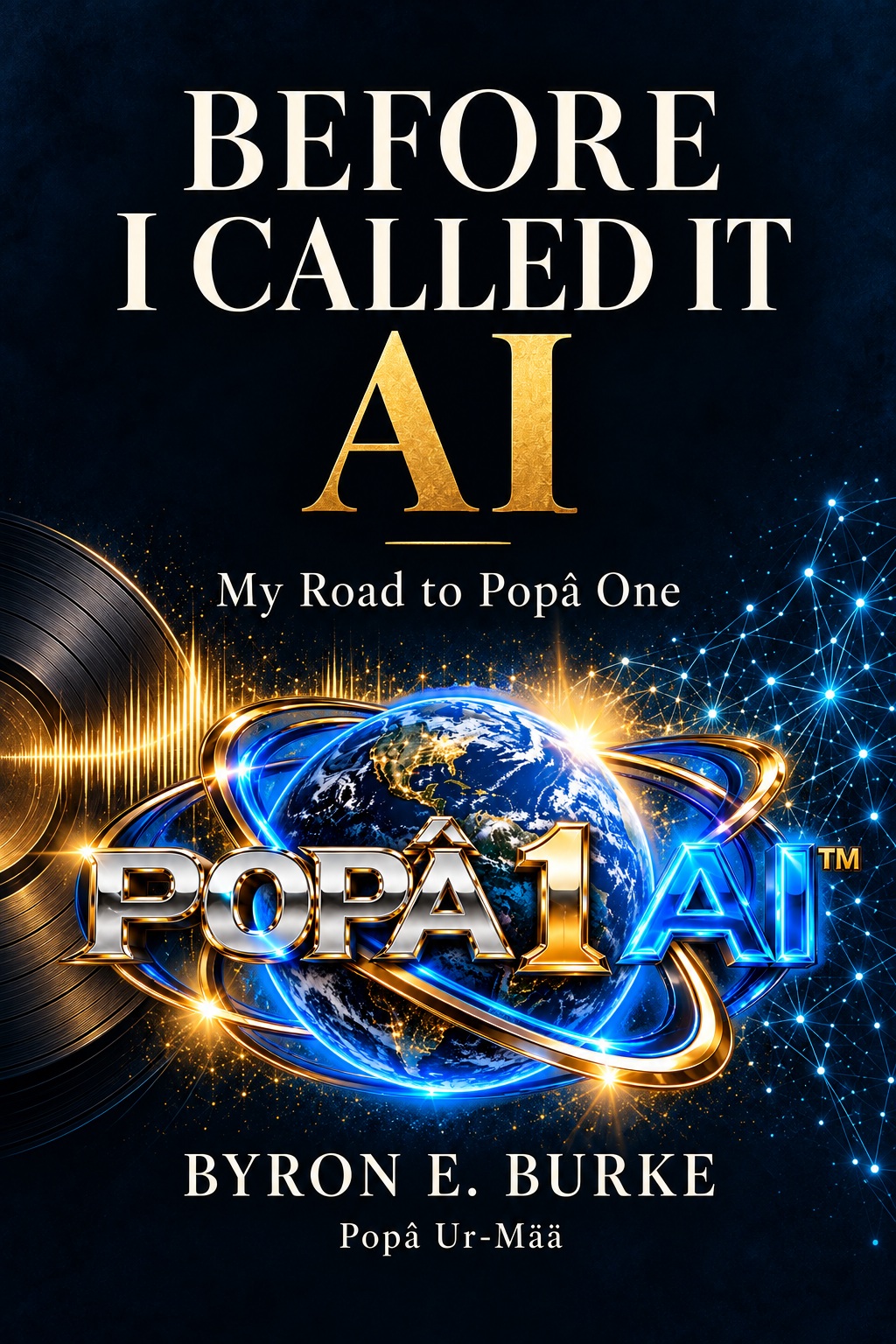
Popâ One is the name I use for the personal-AI-first initiative and assistance I am shaping around my work. It expresses what I want help to do: research, organize, create, and complete authorized tasks while I retain control. It is not the name of a new underlying model I have trained. Later chapters distinguish that purpose from the services and components needed to carry it out.
I am writing for a curious adult who wants to understand these tools without first becoming a programmer. If you make music, run a small business, preserve family stories, or have an idea you have never known how to build, you have a place in this discussion. Older readers are part of that audience, with their own different abilities, interests, and aims.
I see possibilities for other people, too. Think about an older person living alone, with thoughts to share or an idea they have carried for years. Think about somebody trying to find a starting point after a difficult period. A tool that helps a person express an idea and take the next practical step deserves attention. Its limitations deserve the same attention.
This book brings those interests together through my own experience. I want to understand the history beneath the technology, including people whose work helped make it possible. I want to make the language accessible to people who did not grow up writing software. And I want to ask what it takes to use powerful tools without handing away responsibility for our own lives and work.